Our team at AEM Tool and Machining is here to help. Contact us today to discuss your needs or request a quote.

Milling Operations
Mill machining is a manufacturing process used to create complex shapes and features in a variety of materials by removing material from a workpiece. It involves a rotating cutting tool that removes material as the workpiece is fed into the tool. This process is highly versatile and is used for producing parts with precise dimensions and intricate details.
How Mill Machining Works:
- Setup:
- Workpiece: The material to be machined is secured onto a table or fixture that moves in various directions relative to the cutting tool.
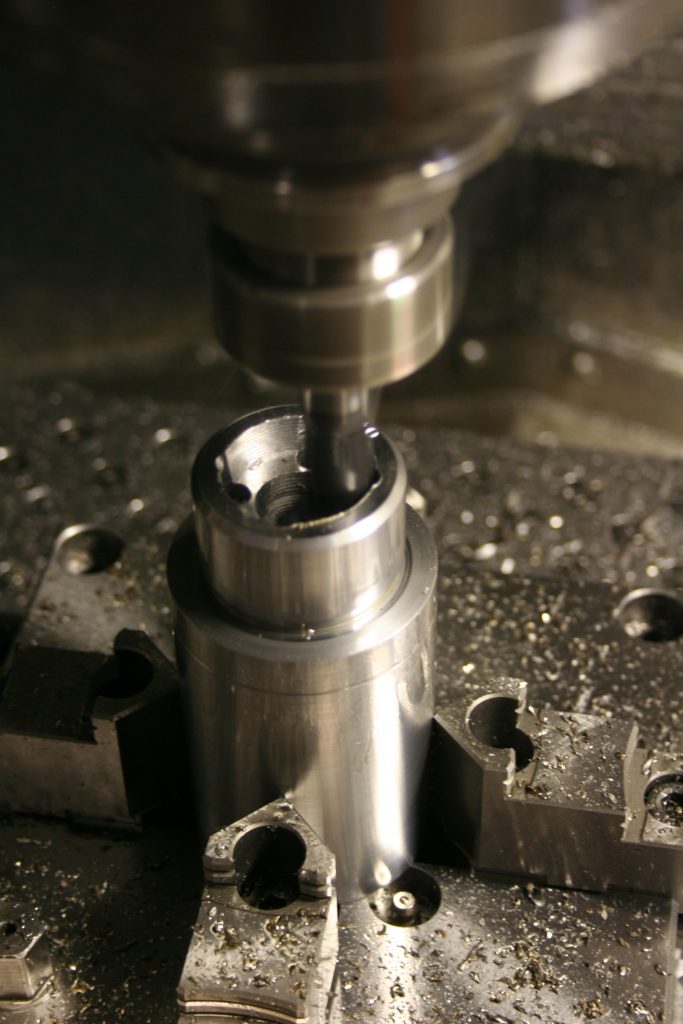
- Cutting Tool: A rotating cutter (end mill or other type) is mounted on a spindle. The tool rotates at high speeds and removes material from the workpiece.
- Movement:
- Tool Movement: The cutting tool moves along multiple axes (usually X, Y, and Z) to cut away material and create the desired shape.
- Workpiece Movement: In some setups, the workpiece itself moves relative to the cutting tool, while in others, the tool moves around a stationary workpiece.
- Cutting:
- The rotating cutting tool engages with the workpiece to remove material. Depending on the type of cut being performed, the tool may move in different directions and patterns.
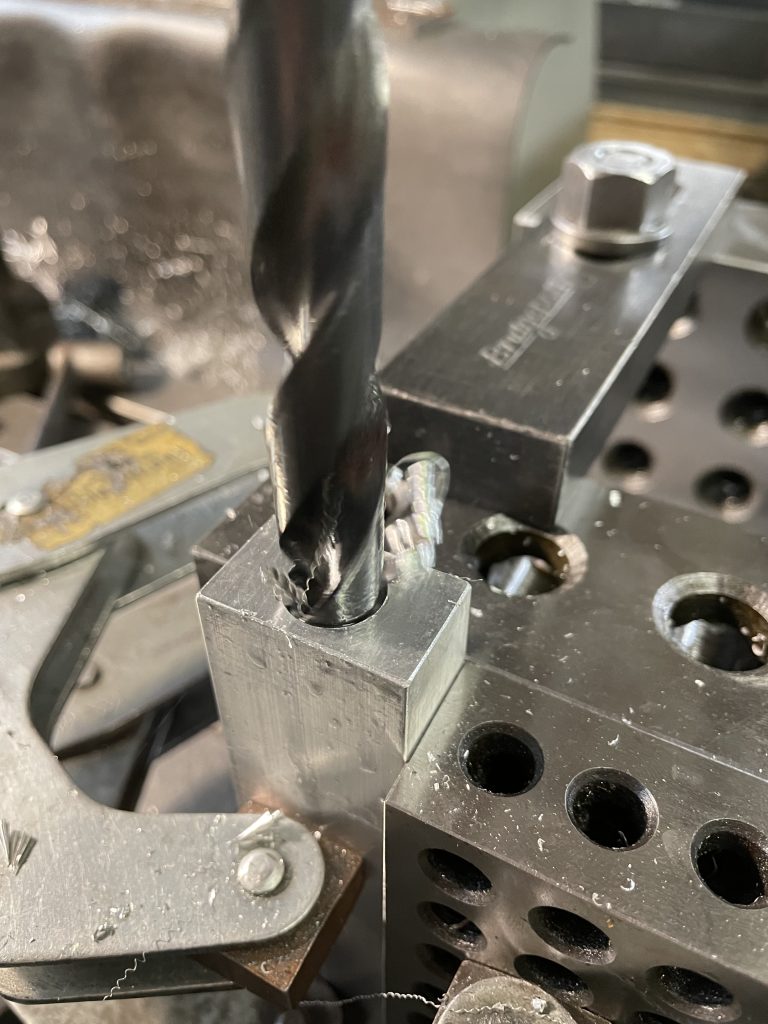
- Common milling operations include face milling (cutting the surface), peripheral milling (cutting the edge), slot milling (creating slots), drilling (creating holes), boring (enlarging holes), and tapping (threading holes).
- Finishing:
- After the initial machining, additional finishing processes such as sanding or polishing may be applied to achieve the final surface finish and precise dimensions.
Types of Milling Machines:
- Vertical Mill: The spindle is oriented vertically, and the cutting tool moves up and down. It’s ideal for making vertical cuts and drilling operations.
- Horizontal Mill: The spindle is oriented horizontally, and the cutting tool moves sideways. It’s used for making horizontal cuts and is suitable for larger, heavier workpieces.
- CNC Mill: A computer-controlled milling machine that automates the cutting process for high precision and repeatability. It’s ideal for complex parts and high-volume production.
Applications:
Milling is used to produce a wide range of parts and components, including:
- Flat Surfaces: Creating smooth, level surfaces on a workpiece.
- Complex Shapes: Manufacturing intricate designs and geometric features.
- Holes and Slots: Drilling holes, creating slots, and other similar features.
- Custom Parts: Prototyping and custom machining for specialized applications.
Benefits:
- Precision: Produces parts with high accuracy and detailed features.
- Versatility: Capable of handling various materials and creating a wide range of shapes and features.
- Efficiency: Allows for rapid production and high-quality finishes, especially with CNC milling machines.
In Summary
Mill machining is a versatile and precise manufacturing process used to shape materials by removing material with a rotating cutting tool. It’s essential for creating complex parts with high accuracy and is widely used in various industries for both prototyping and production.